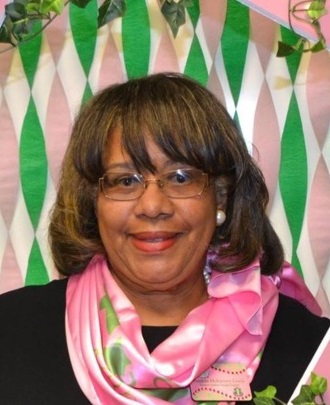
As a high school senior in Danville, Patricia McKinney-Lewis hadn't originally planned on seeking attendance at the University of Illinois. Participating in American Legion Conferences held annually at Gregory Hall, however, caused her to develop a high opinion of Illinois early on. She viewed it as a highly prestigious institution; maybe too prestigious for her. Project 500 Recruiters convinced her otherwise, and 3 degrees later, she gives back to her Danville community by inspiring students to pursue higher education, investing in scholarships, and reaching back to help the children in any way she can. Patricia's interview includes some unique insights from her participant role in the September 10, 1968 Union Demonstration.
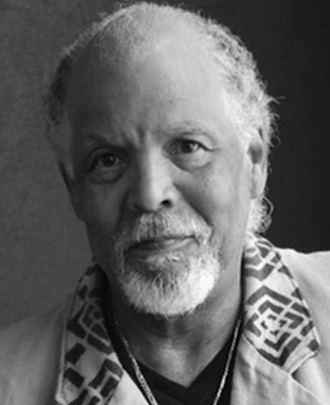
Raynard Hall had always knew he wanted to go to college, despite his dad having different ideas for him. He only learned about Project 500 after arriving at Illinois in August 1968. It didn't take long for him to get involved with student activism on campus, although he describes the Sep. 10, 1968 incident at the Union in passive terms: as a "Wait-In" opposed to something more purposeful like a "Sit-In." He remembers having a lot of fun during his time as student, which he attributes to the networking opportunities that being a member of Kappa Alpha Psi Fraternity opened up for him. Listen to hear the one piece of advice he feels is applicable to incoming freshmen and outgoing seniors alike.
To access this interview, please contact the Student Life and Culture Archives at illiarch@illinois.edu
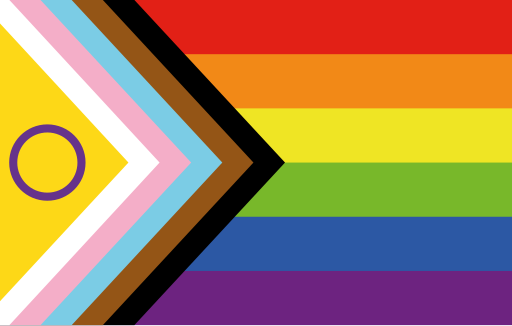
Stephanie Skora, founder of the Campus Union for Trans Equality and Support (CUTES) discusses her experience coming out as trans during her freshman year at UIUC and the feeling of isolation she encountered due to the complete lack of spaces for trans and gender-nonconforming people on campus at that time. She emphasizes how this disorientation she experienced led her to found CUTES as a safe space for trans people to meet each other and build community. Alongside her work with CUTES, Stephanie was highly engaged in progressive student activist movements, such as Black Lives Matter, Palestinian Solidarity, and demands for Indigenous rights. Today, Stephanie lives in Chicago and works in civic education centered around voting rights, anti-racism, anti-Zionism, and trans advocacy.
To access this interview, please contact the Student Life and Culture Archives at illiarch@illinois.edu
Susan Keehn provides a view into the lived experiences of gay rights activists on the University of Illinois campus during the 1970s. Keehn first became involved in gay rights organizing through the Gay Illini: Gay People’s Alliance at the U of I at UC. Colloquially known as the Gay Illini, this organization sought the social and legal advancement of gay people in the Champaign-Urbana area, launching innumerable educational and consciousness-raising campaigns both on campus and in the greater community. Among their most well-known was the Gay Switchboard, which provided individuals with information on gay-friendly social spaces, mental and physical health resources, and emotional support. Keehn served as the co-president of the Gay Illini from 1975 to 1977 while earning her graduate degree from the university.
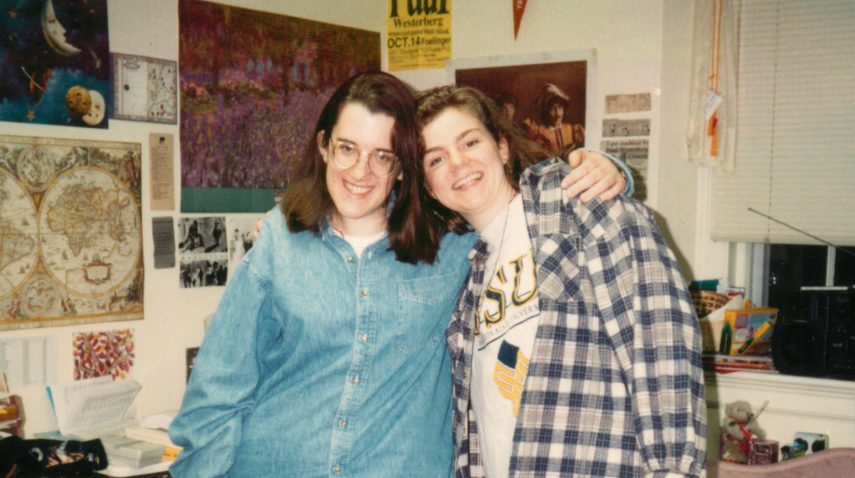
Wendy Mathewson and Beth Watkins (both BA '96) met in an avant-garde honors seminar, "The History that Music Made." They became roommates and lifelong friends. Both graduates of the Department of History, both women are employed by the university today. Mathewson is the undergraduate advisor for the Department of History, and Watkins is the Education and Publications Coordinator at the Spurlock Museum. In this interview, they describe campus life in the 1990s and the gradual shifts in their political, religious, and worldview perspectives that they attribute to a liberal arts education. They reflect on enduring friendship across deep differences, the value of finding smaller communities within a large university, exposure to diversity, and the importance of resilience.