Eisenman discusses the interdisciplinary work that occurred at the University of Illinois in the 1960s. He highlights the use of computers in fine and applied arts, which was uncommon at the time. Finally, he talks about electronic and classical music, composer John Cage, and Cage's work at the university.
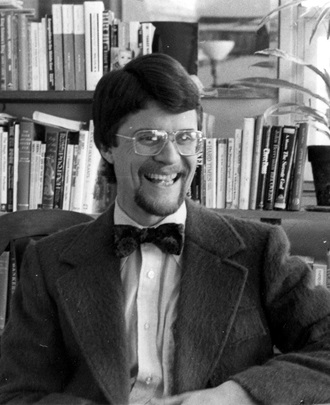
Howie Schein took a circuitous path to the University of Illinois, first studying at Grinnell College, then the University of California, Berkeley, and then arriving in Champaign to pursue his PhD. After graduation, he led Unit One as associate director and director from 1976 to 2008. In this interview, he discusses his early life and education, graduate studies, and how he guided Unit One as it evolved through the decades.
Kenneth Roellig served in World War II, and then used the GI Bill to attend college. He first studied at the Galesburg campus, specifically established to accommodate the influx of students after the war, and then transferred to Urbana. After graduating in 1950, he returned in the mid-1950s for graduate school, and then came back once again after receiving his master’s degree to study for an advanced certificate. In this interview, he discusses his early life, military service, time at both campuses, experience as a graduate student, and later career.