
"Playful" Media
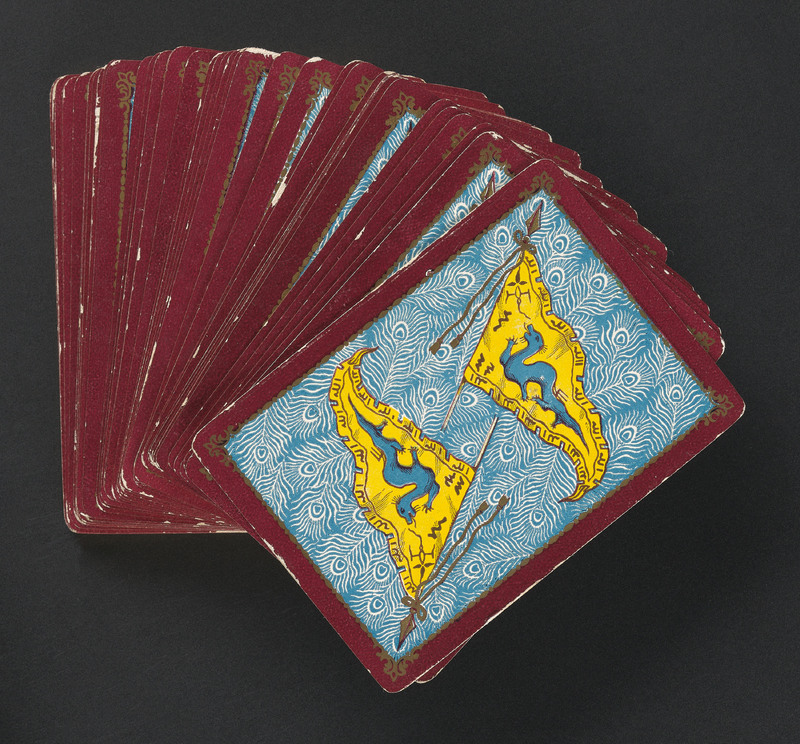
Decorated with imagery of the highly contested Boxer Rebellion, the Forbidden City deck of playing cards illustrates the complexities inherent in translating historically and emotionally charged events into objects of casual entertainment. Playing cards, traditionally symbols of leisure, are here repurposed as vehicles for intricate historical narratives, deeply embedded with ideological significance. By utilizing a medium inherently intended for amusement, these historical cards blur distinctions between education, propaganda, and entertainment. This blending raises critical ethical questions about the trivialization of historical trauma, the oversimplification of nuanced experiences, and notably, the perpetuation of harmful stereotypes, the impact of which still resonates profoundly in contemporary cultural and social contexts.
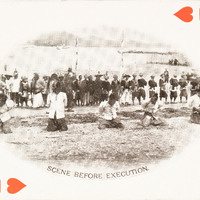
Reusing scenes depicting executions, violence, and punishments originally from unrelated contexts, the deck exemplifies the purposeful manipulation of visual narratives. Through the act of transforming complex, traumatic episodes into entertainment, these playing cards trivialize profound human suffering, enabling the widespread dissemination of stereotypes intended to exoticize China, its culture, and its people. The playful framing normalizes imperialist violence within everyday life, subtly embedding harmful ideologies into routine social practices and leisure activities. Moreover, the tactile form of playing cards, objects inherently handled and exchanged repeatedly, facilitated a more intimate internalization of imperialist narratives. Each casual shuffle, game, or social interaction reinforced distorted perceptions, subtly integrating these narratives into collective consciousness.
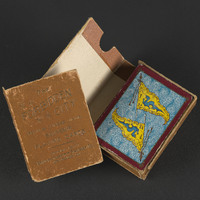
The use of the term “Souvenir” in the deck’s title further merits critical examination. Conventionally, souvenirs are associated with casual collection or nostalgic remembrance, implicitly suggesting neutrality. Here, the term functions deceptively, obscuring the deck’s inherently propagandistic intent and tendentious imagery. These cards actively reduce traumatic historical events into trivial items for casual consumption, strategically sanitizing and commodifying violence and damaging stereotypes.
Previous Section:
Complicated Images
Next Section: